10 Biohacking Tools Compared: Apps, Wearables and Journals
You're checking your sleep app before breakfast, logging a supplement in your notes, and trying to remember whether yesterday's better mood followed a dose, a walk, or a quieter afternoon. Your wearable has a recovery score. Your notebook has a different date format. Neither explains what changed.
Many individuals who begin a biohacking routine end up with several apps, a wearable, and a notebook that no longer matches any of them. The useful question isn't how much you can track. It's whether you can connect the records without guessing.
These ten biohacking tools fall into distinct groups: passive wearables, metabolic and lab platforms, nutrition apps, and reflective journals. Each answers a different question. A sleep sensor can add context to a mood entry, but it can't tell you what an experience meant or whether an intervention caused it.
Start small: Choose the question first, then the tool. Keep timestamps, observations, and interpretations separate so you can review them without rewriting the story afterward.
Table of Contents
- 1. MicroTrack
- 2. Oura Ring 5
- 3. WHOOP
- 4. Levels
- 5. InsideTracker
- 6. Bearable
- 7. Cronometer
- 8. HRV4Training
- 9. Garmin Venu 4
- 10. Biohack
- How the ten biohacking tools compare on cost, free options, and best use
- Building a Stack You Can Keep Using
1. MicroTrack
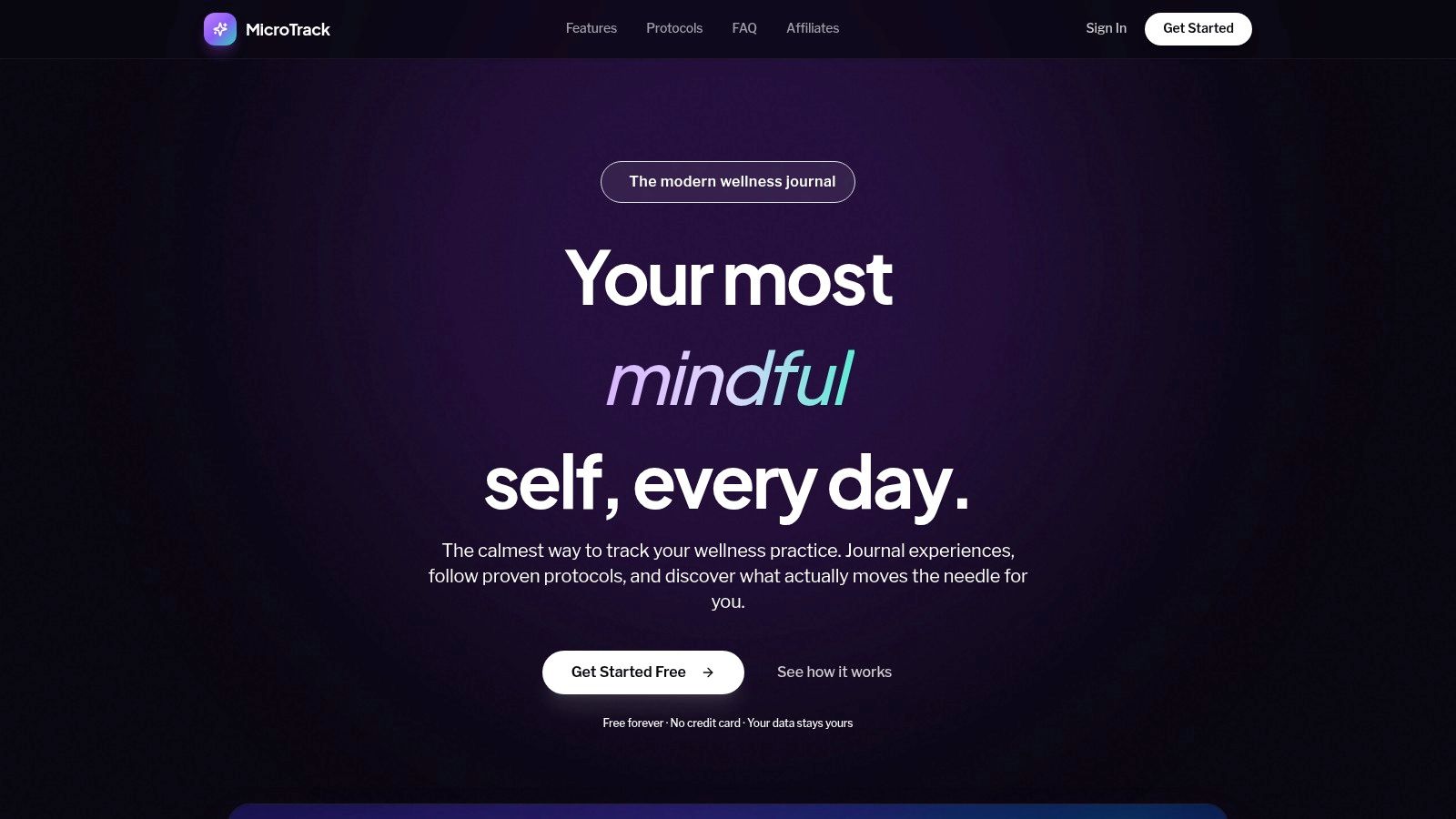
MicroTrack answers a focused question: how did your mood change around a dose, and what did you record at the time? The wellness journaling and habit-tracking web app lets you log dose details and rate your mood on a 10-point scale, then add reflections later. There are no streaks, XP, or gamification.
That two-phase entry keeps an immediate record distinct from a later assessment. The distinction matters when you review your notes: what you recorded in the moment and how you interpreted it afterward are separate observations.
Where the journal fits
The calendar supports Fadiman's 1-day-on/2-days-off schedule and Stamets' 4-days-on/3-days-off schedule, as well as custom schedules and skip/add overrides. These are scheduling tools, not evidence that a protocol is safe or effective.
- Useful output: Trend visualizations, frequency and time-of-day distributions, and pattern detection help you examine your own records.
- Portable history: Search and filter entries, then export them as CSV to compare with wearable or nutrition records.
- Cost: Free forever, with no credit card required or paywalls.
- Privacy: Entries are encrypted in transit and at rest. MicroTrack never sells or shares journals, or trains AI models on them. Account deletion is one click away.
Personal tracking can show associations, but it cannot establish clinical benefit. A critical review of human microdosing studies found inconsistent benefits, with expectations, context, and baseline state influencing reported outcomes.
MicroTrack is a tracking and journaling tool, not a medical application; it does not provide medical advice, diagnosis, or treatment. It also does not manufacture, sell, or distribute controlled substances. The practical trade-off is that a journal can organize your observations, but interpreting them remains your responsibility.
2. Oura Ring 5
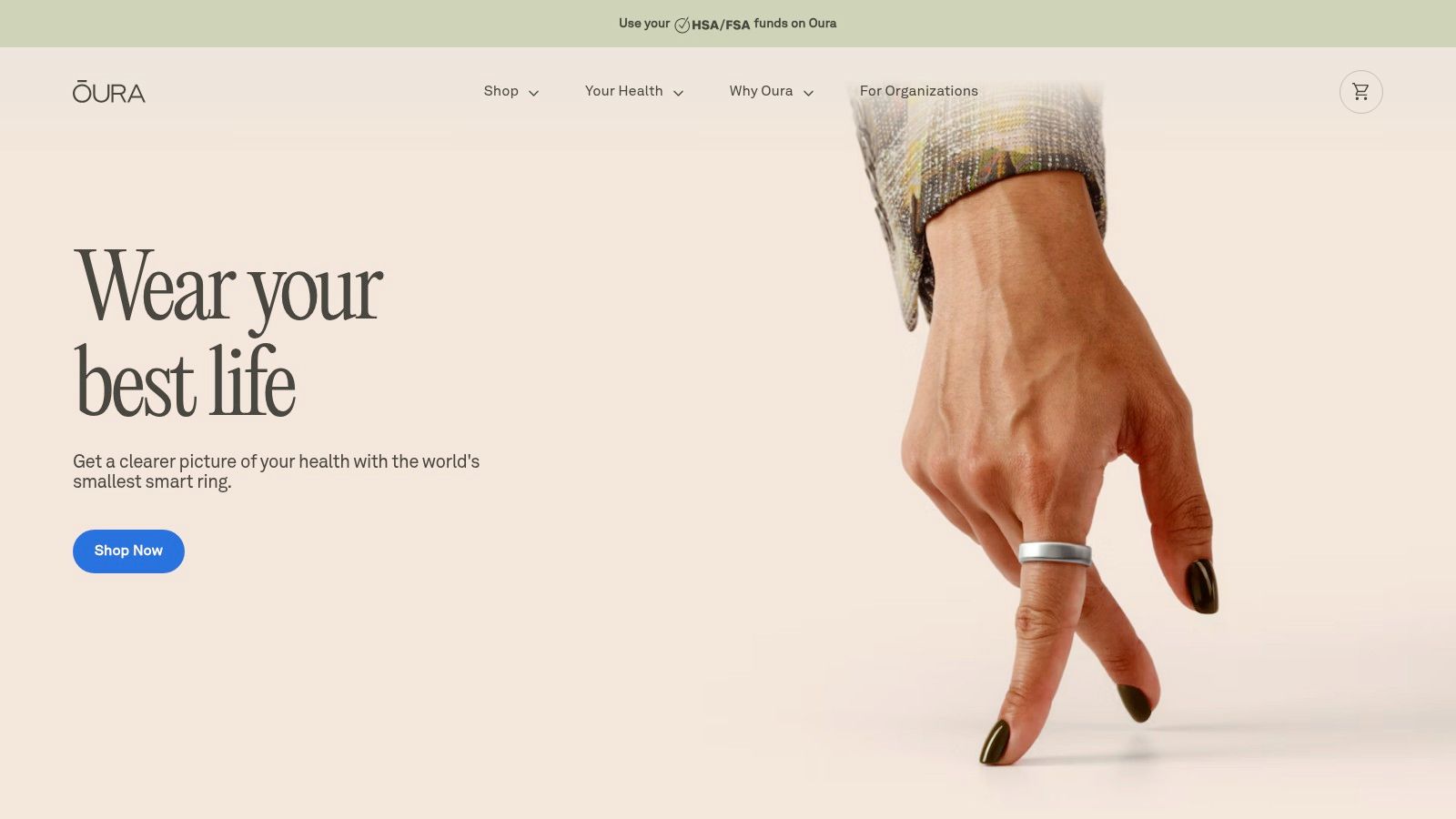
Did my sleep and recovery context change? Oura suits that question better than detailed experience logging. Its screen-free ring tracks sleep, heart rate, HRV, temperature, activity, and stress-related measures, then organizes them into Sleep, Readiness, and Activity scores.
The Oura Ring 5 starts at $399, and many insights require a paid membership. Members can export CSV data, while selected health-app integrations and longer-term reports provide other ways to review trends.
Use measurements as context
For a dose and mood journal, bring across sleep duration, resting heart rate, and the date of the relevant night. Keep readiness scores separate from direct measurements so you don't mistake a composite estimate for an independent observation.
- Best fit: Someone who wants passive day-and-night tracking without another screen.
- Main trade-off: Hardware and membership costs, plus the practical question of whether a ring feels comfortable during sleep and daily activities.
- Integration habit: Preserve the device model and missing nights when combining exported records.
A good recovery score doesn't prove a substance helped. It may coincide with a lighter training day, different bedtime, or less stress. Oura provides useful physiological context, but its wellness scores aren't clinical measurements and won't capture the meaning or quality of a subjective experience.
3. WHOOP
A hard workout, a late dinner, and an emotionally demanding day can all complicate your interpretation of tomorrow's mood. WHOOP is most useful when the question concerns training load, habits, and recovery, rather than the experience of a dose itself.
The WHOOP platform combines continuous sleep, strain, activity, and recovery tracking with behavior journaling and coaching. Membership is required; Peak adds stress-monitoring and healthspan features, while Life includes WHOOP MG hardware and features including ECG readings.
Its screen-free design suits continuous wear, but recovery and strain scores may feel opaque if you prefer raw measurements. Advanced features also depend on your plan and device.
A wearable you stop wearing produces less useful context than a simpler tool you keep using.
That's a practical concern, not just a preference. A workplace pilot discussed in a wearable-health scoping review reported only 50% consistent use of a WHOOP band.
For journal pairing, record the training session, sleep period, and recovery context against the same calendar dates as your entries. Use WHOOP's behavior journal for relevant habits, but avoid duplicating every field in both apps. Missing wear time should remain missing, not become an apparently normal recovery day.
4. Levels
What happened around meals, movement, and changes in energy? Levels addresses this through a metabolic-health app with optional continuous glucose monitors and lab testing. You can start with food logging, programs, insights, and habit tracking without buying a sensor.
With a CGM, you can examine glucose readings alongside meals and activity. The platform also accepts previous bloodwork and health documents, and some plans include clinician review.
Keep glucose and mood separate
Say you feel flat after lunch on a dosing day. Record the meal, activity, glucose context if available, and your subjective energy separately rather than immediately attributing the afternoon to either food or the dose.
Understanding correlation versus causation matters here: aligned timestamps make a comparison possible, but they don't identify the cause.
- Strength: Meals, movement, and glucose appear in a shared metabolic context.
- Cost trade-off: Sensors and lab work add expense beyond app membership.
- Interpretation limit: CGMs provide a partial, short-term view of metabolism, not a universal food-quality score or standalone diagnosis.
For your journal, a concise meal note and relevant timing may be more useful than copying every glucose reading. People managing a medical condition or taking medication that affects glucose should involve a clinician rather than adjust treatment based on wellness-app patterns.
5. InsideTracker
Blood-test results answer a different question from a daily mood diary: How are selected biomarkers changing between tests? InsideTracker's Ultimate blood test plan covers up to 54 biomarkers, while membership also supports uploading existing results.
The platform organizes blood data, selected DNA information, and wearable information into biomarker analysis and personalized action plans. That can be easier to review than disconnected laboratory PDFs, especially when you're following the same markers over time.
Match the comparison to the measurement
Lab testing is periodic, not a continuous account of your day. Add the collection date and relevant circumstances to your journal, then avoid drawing a direct line between a single mood change and a later blood result.
- Useful starting point: Existing bloodwork may let you begin with membership-only access.
- Practical constraint: Testing availability and collection logistics vary by location.
- Financial trade-off: Repeat blood testing and the annual platform fee can add up.
- Clinical boundary: Abnormal results need a clinician's interpretation, not just a personalized action plan.
InsideTracker fits a longer-term health review better than an acute dose-response question. Keep original reports, including units and laboratory reference ranges, alongside any summarized recommendations.
Don't change several supplements just because several markers are highlighted. Discuss priorities with a clinician and document any agreed changes so later comparisons have a readable history.
6. Bearable
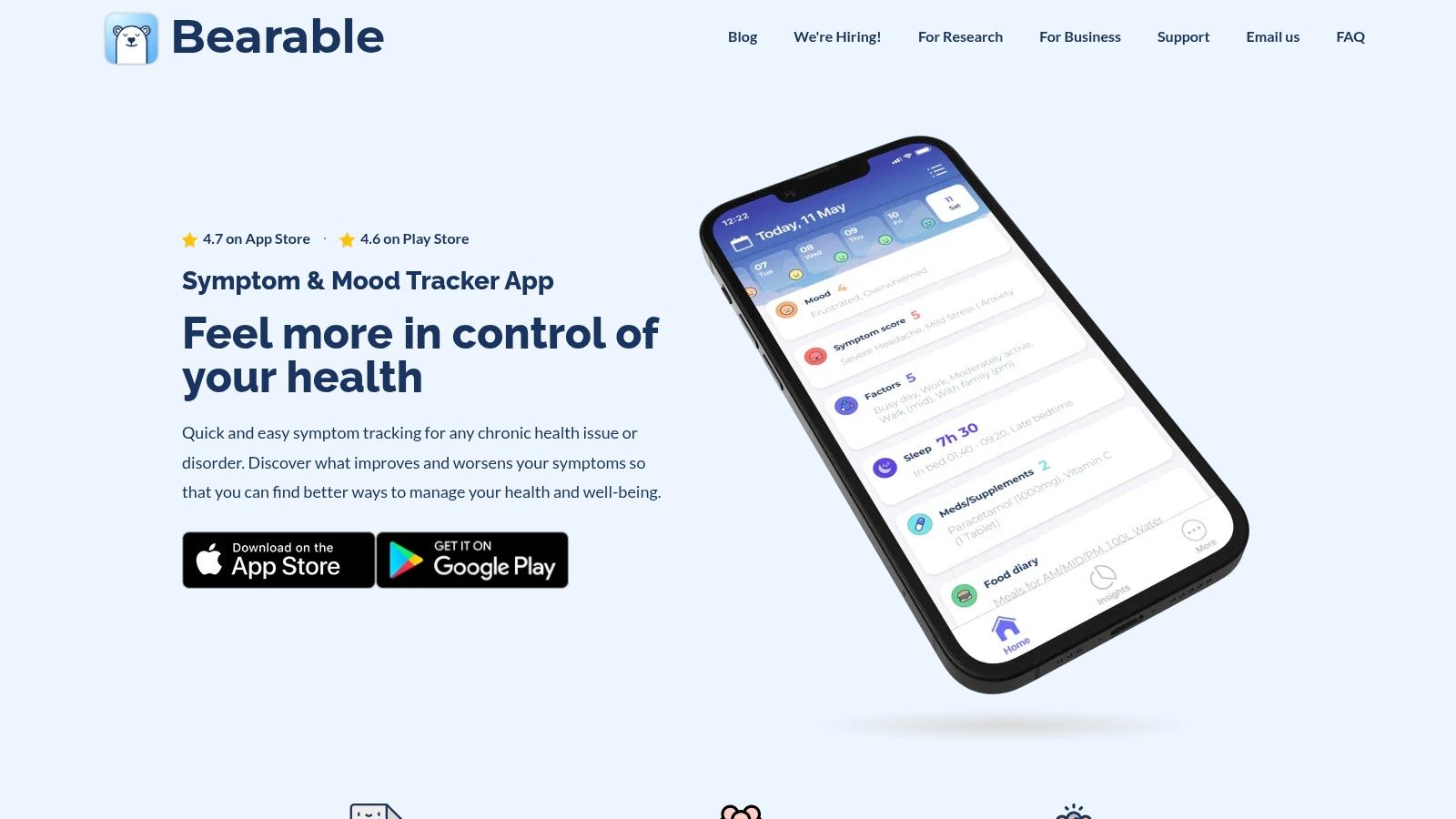
If symptoms, fatigue, medication, and everyday functioning matter more than athletic recovery, Bearable offers broader subjective tracking than a wearable. Its customizable logs cover mood, symptoms, sleep, energy, supplements, medication, and other daily factors.
Bearable includes calendar and timeline views, charts, comparison reports, CSV export, and selected syncing from Apple Health or Google Fit. Its free tier provides substantial logging and export, while advanced correlations and longer history require Premium.
The flexibility is both the advantage and the burden. A long list of factors can become difficult to maintain, especially when you're tired or unwell.
Build a manageable record
Start with the symptom or outcome you most want to understand, then add only context you'll realistically record. The benefits of mood tracking depend on a record you can sustain, not the number of fields available.
- Best fit: Broad health and wellbeing tracking, particularly when symptoms need more detail.
- Journal pairing: Keep symptom severity here and dose timing plus later reflections in your dedicated journal.
- Main caution: Correlation reports depend on consistent entries and don't establish causation.
Bearable was designed with input from people managing health conditions, but it still can't determine why a symptom changed. Mark an unlogged day as unknown rather than treating it as symptom-free.
7. Cronometer
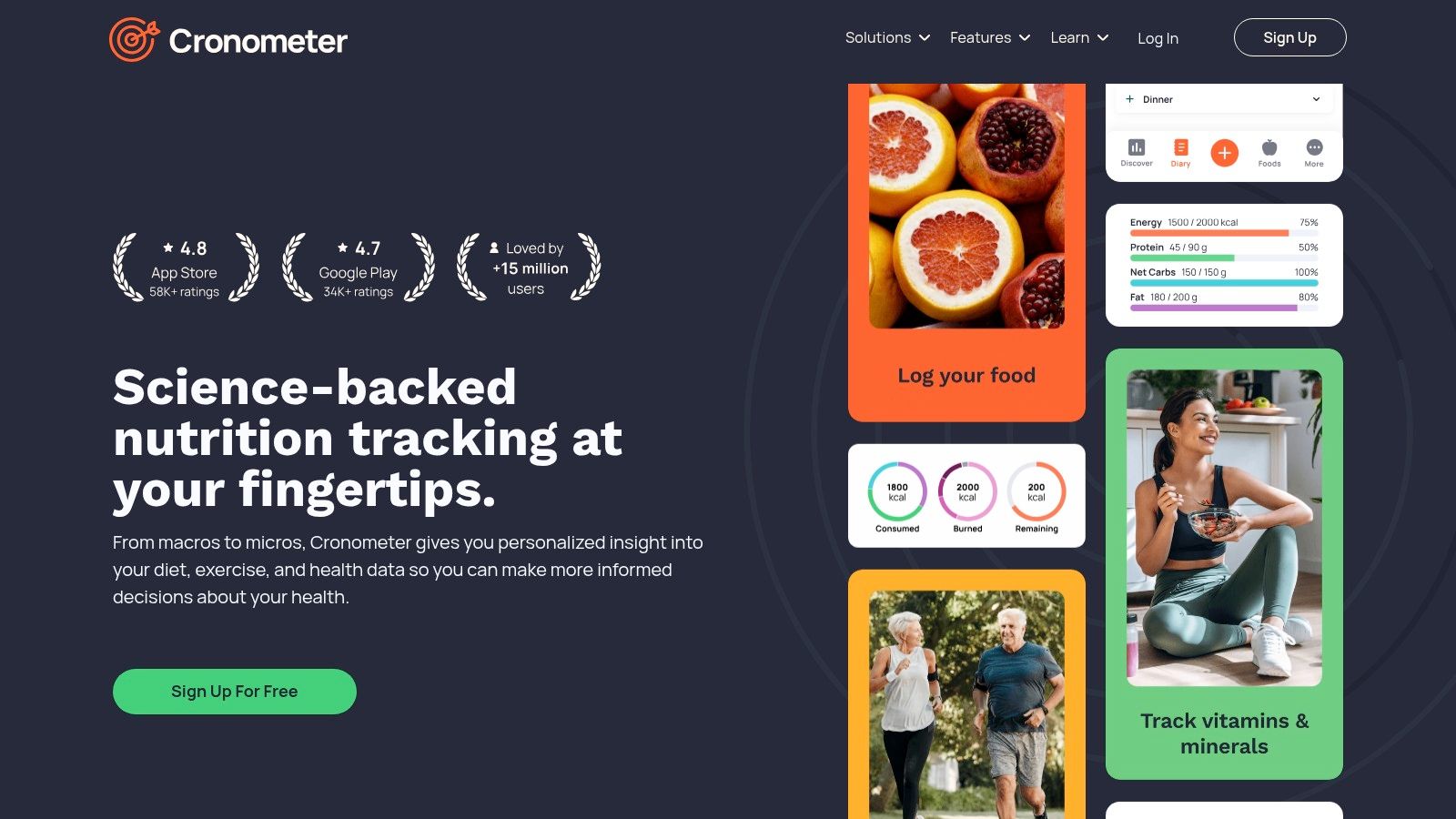
Before crediting an intervention for better energy, check whether you also changed how you ate. Cronometer answers what you recorded eating and which nutrients those entries contain, rather than whether a protocol improved your health.
Cronometer tracks foods, exercise, biometrics, and notes, with nutrient and trend reports extending beyond calories and macronutrients. Basic access is free; Gold adds an ad-free experience, recipe import, and a fasting timer, while professional plans support practitioners managing client accounts.
Keep the distinction: A calculated nutrient gap is a reason to review your food record, not an automatic reason to buy a supplement.
For useful comparisons, accurate portions and complete entries matter more than a beautifully detailed dashboard. Reusing saved meals can reduce effort, but check them when ingredients or serving sizes change.
- Strength: Detailed micronutrient and macronutrient records can clarify dietary patterns.
- Main burden: Food logging takes time and depends on the quality of your entries.
- Journal connection: Note unusual meal timing, appetite changes, and substantial dietary changes beside mood observations.
Nutrition estimates don't capture every individual factor or clinical need. If food tracking becomes stressful, restrictive, or obsessive, a brief meal-context note may be a better fit than detailed nutrient accounting.
Cronometer is useful when diet is an actual comparison variable. It's unnecessary extra work when your question concerns something else entirely.
8. HRV4Training

Can I collect a comparable morning recovery signal without wearing another device? HRV4Training supports HRV measurement using a compatible phone camera, alongside connections to certain Bluetooth sensors, Apple Watch, and Oura data.
It combines physiological readings with subjective inputs such as sleep and fatigue. Pro adds trend analysis and team or coach dashboards, making it relevant to athletes and people reviewing training stress.
Routine matters more than an isolated reading
Take readings under consistent morning conditions and record anything unusual about the measurement. Switching between a rushed standing measurement and a relaxed resting measurement makes your comparison harder to interpret.
A sound approach to trend analysis considers repeated observations rather than treating a single dip as an instruction to change your routine.
- Advantage: A compatible phone can remove the need to purchase a separate sensor.
- Trade-off: You must actively perform the measurement, unlike passive overnight tracking.
- Limit: HRV doesn't diagnose stress, illness, or overtraining.
For a dose and mood journal, attach the morning reading to its actual measurement time. Don't label it a dosing effect just because it falls on a scheduled day.
HRV4Training supplies physiological and training context, not broad reflective journaling. Keep subjective experience in its own field so a low HRV reading doesn't automatically become a low mood rating.
9. Garmin Venu 4
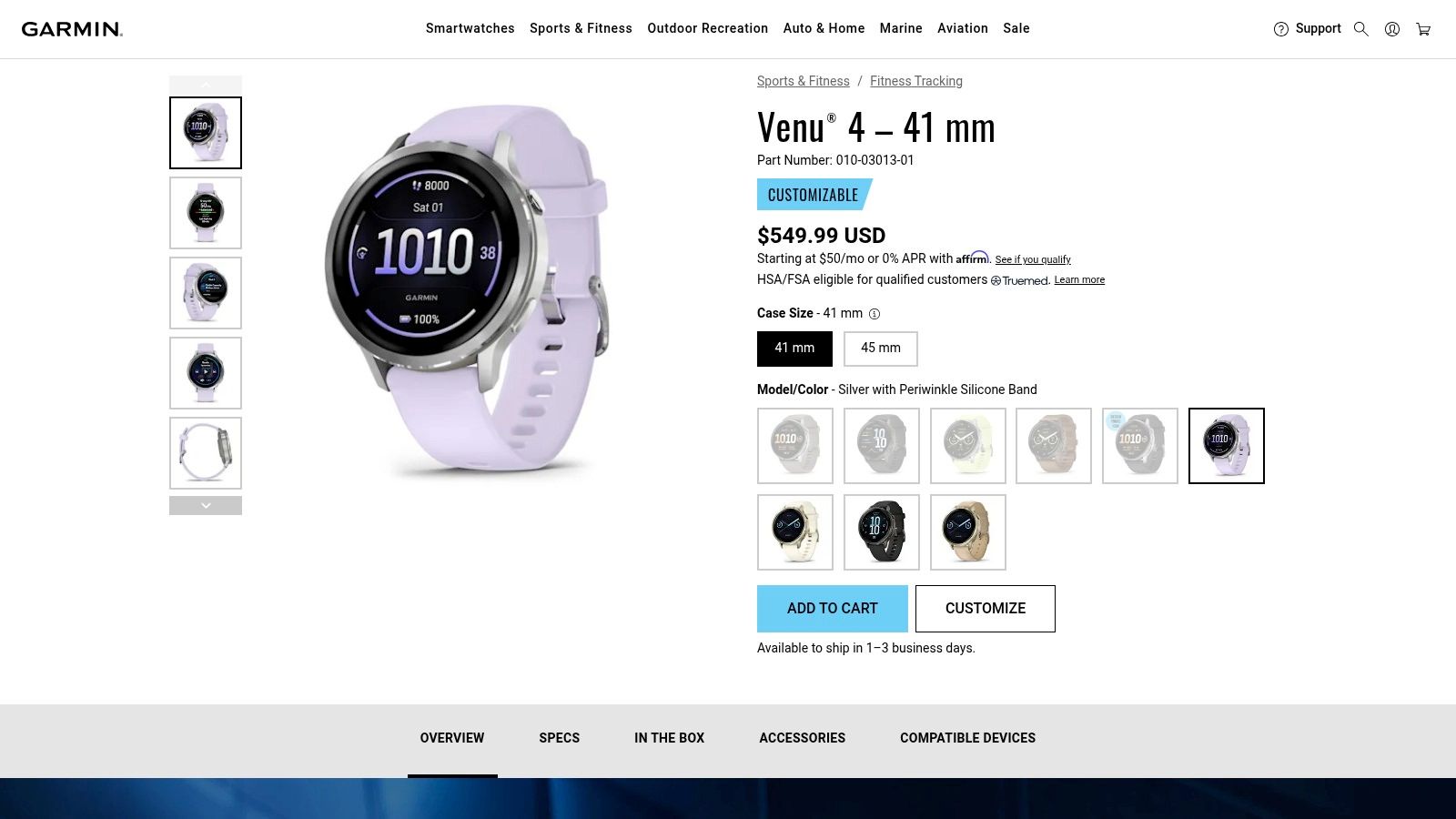
Choose the Garmin Venu 4 when you want a watch and exercise tool that also supplies wellness context. It combines daily activity, heart rate, sleep, and training-related measures with GPS, workout features, and on-device information.
Unlike screen-free trackers, it lets you review information on your wrist and use broader smartwatch functions. Garmin says existing core Garmin Connect features remain free, with Connect+ optional.
The practical trade-off is wearing and charging a watch even when you're interested mainly in mood. It may be more hardware than that question needs.
Preserve the activity context
A journal entry saying you felt better after a dose is incomplete if you also took an unusually long outdoor walk. Record the activity's timing and character so you can compare similar days rather than treating all non-dosing days as equivalent.
- Strong fit: People who already want GPS, workouts, and everyday watch functions.
- Subscription advantage: Core Garmin Connect functions don't require a paid subscription.
- Main limitation: Tracking accuracy varies, and the watch isn't intended to diagnose or monitor medical conditions.
Use Garmin Connect for exercise detail and your journal for experience. You don't need to copy an entire workout record, just enough context to recognize meaningful differences between days.
Avoid comparing wellness scores from different manufacturers as if they were the same measurement. Keep each device's record identifiable.
10. Biohack
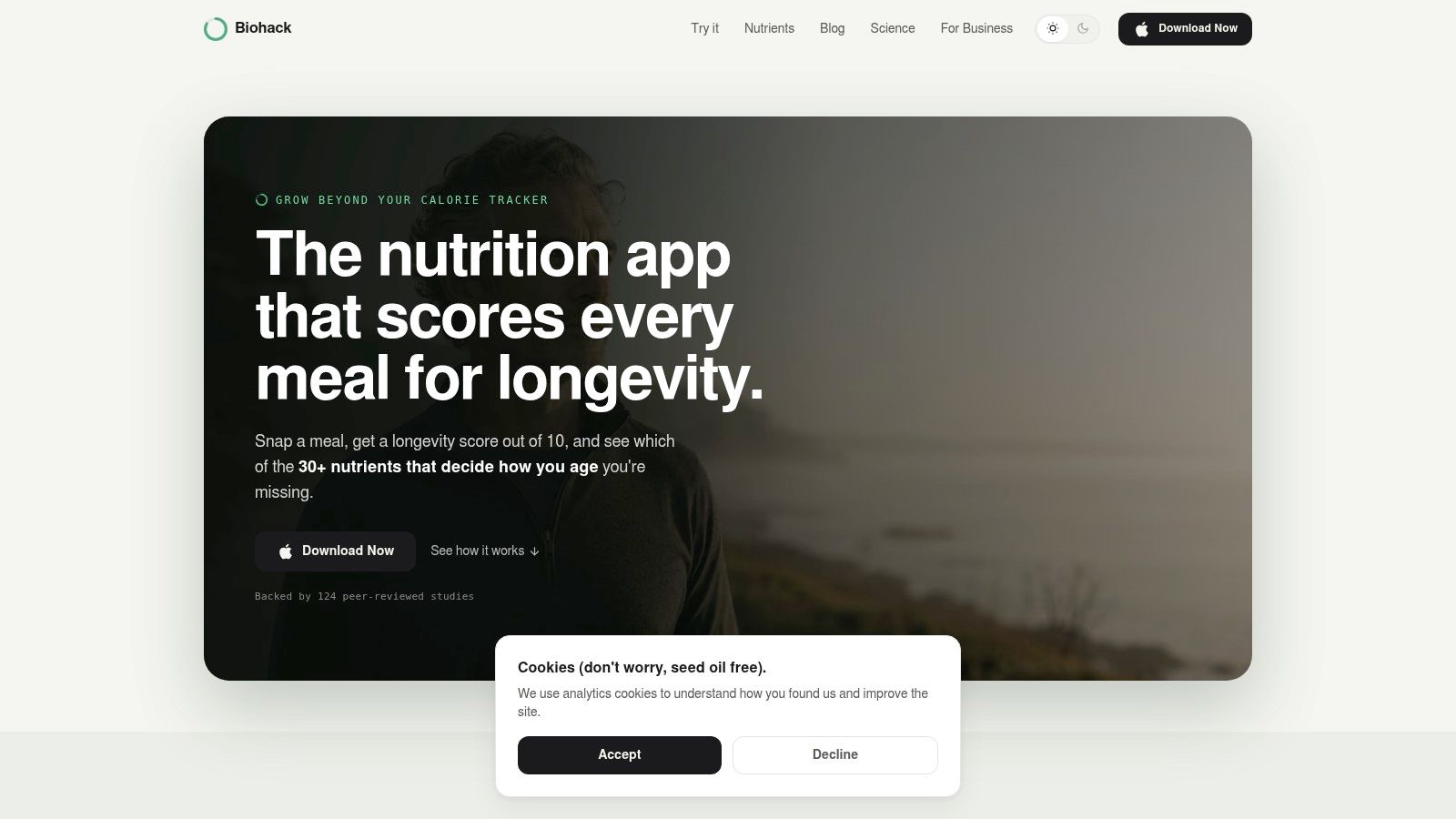
Typing every ingredient isn't appealing when you're trying to keep daily tracking brief. Biohack emphasizes flexible meal entry, accepting text, voice, photos, and barcodes, alongside a fasting timer and Apple Health syncing.
Biohack tracks 17 nutrients on its free plan and 32 with Pro. It also displays meal scores, explains contributing ingredients, and publishes references behind its scoring approach.
Those explanations can help you inspect a recommendation rather than accept a score without question. But meal scores and lifespan-minute estimates are educational heuristics, not predictions of your individual lifespan.
A faster food entry is useful only if it's accurate enough for the question you're asking.
Photo-based estimates can misidentify portions or ingredients. Correct an entry before using it to explain appetite, energy, or mood, especially when oils, sauces, or mixed dishes are involved.
- Practical benefit: Multiple entry methods may reduce the effort of keeping a meal record.
- Journal pairing: Add meal timing and notable dietary changes without copying lifespan-minute estimates into your outcome log.
- Important caution: Supplement suggestions and AI coaching are informational and may be wrong.
Biohack suits people who prefer quick meal capture and explanatory scores. Cronometer is the clearer alternative when detailed nutrient accounting is the priority. Neither app can establish that a dietary change caused a mood improvement.
How the ten biohacking tools compare on cost, free options, and best use
The main trade-off is what each tool measures and whether its records can sit alongside dose and mood notes. Wearables track signals passively; metabolic and lab platforms focus on glucose or biomarkers; journals capture symptoms, habits, and reflections. MicroTrack is a free journaling and habit-tracking web application for recording dose details, mood, and patterns in your own data. It is a tracking tool, not a medical application or a source of medical advice, diagnosis, or treatment.
| Item | Cost Model | Free Option | Best For |
|---|---|---|---|
| MicroTrack | Free forever | Full access; no paywalls | Dose and mood journaling, flexible schedules, and pattern review |
| Oura Ring 5 | Ring starts at $399; membership required for many insights | Some core data exports; many insights need membership | Passive sleep and recovery tracking |
| WHOOP | Membership required; advanced features vary by plan and device | Membership required for full features | Continuous recovery and training coaching |
| Levels | Membership; optional sensors and lab tests add cost | App can be used without a sensor | Exploring glucose patterns alongside meals and activity |
| InsideTracker | Platform fee and blood testing; costs vary | Membership-only access can use existing results | Reviewing lab biomarkers over time |
| Bearable | Free tier; Premium for advanced features | Substantial logging and CSV export | Custom health, mood, and symptom tracking |
| Cronometer | Free basic version; paid Gold and professional plans | Basic nutrition tracking | Detailed calorie and nutrient tracking |
| HRV4Training | Pro option adds trend analysis and team or coach dashboards | Phone-camera measurement may avoid a separate sensor | HRV trends and training recovery |
| Garmin Venu 4 | Watch purchase; optional Connect+ subscription | Core Garmin Connect features | Exercise, GPS, and everyday health tracking |
| Biohack | Free plan; paid Pro option | Meal logging and tracking 17 nutrients | Meal logging and nutrient tracking |
The comparison is about fit, not interchangeability. A wearable can add sleep or activity context, while a nutrition app can record meals. Neither replaces a journal that captures dose timing, mood, and reflections in the same record. MicroTrack supports Fadiman's 1-day-on, 2-days-off and Stamets' 4-days-on, 3-days-off schedules, with calendar skip and add overrides. Its insights show frequency and time-of-day distributions and patterns in the user's own entries.
Building a Stack You Can Keep Using
Start with one question rather than ten tools. Is it sleep and recovery, metabolic patterns, lab markers, or your own dose and mood response? Pick the smallest set that answers it, log consistently for several weeks, and export your data regularly so trends stay readable.
For sleep context, choose a wearable you'll comfortably keep wearing. For meals, choose between detailed nutrition logging and quicker capture. Add lab testing when you have a relevant clinical question, not because another dashboard is available.
Make comparisons before conclusions
Keep dosing context and reflections in a dedicated journal such as MicroTrack, with wearable or nutrition observations alongside them. Record sleep, stress, caffeine, exercise, menstrual-cycle context where relevant, social circumstances, and adverse effects without trying to track everything imaginable.
Predefine the outcome you care about and include non-dosing days. A review of placebo-controlled microdosing studies describes both positive and null findings across different outcome domains, which is why noticing a change isn't the same as demonstrating a meaningful benefit.
- Keep observations neutral: Separate dose details, immediate sensations, expectations, and later outcome ratings.
- Preserve missingness: An unworn sensor or skipped journal entry isn't evidence of a normal day.
- Review monthly: Look for repeated patterns instead of reacting to each daily fluctuation.
- Accept an unclear result: A protocol may show little discernible benefit. That's not a reason to escalate dose or frequency.
Feeling an effect isn't proof of improvement. A double-blind psilocybin microdosing study found no evidence of improved well-being, creativity, or cognitive performance despite acute subjective effects.
Treat every correlation as a prompt for discussion with a clinician, not a conclusion. If you're dealing with depression, anxiety, PTSD, or medication questions, tracking should support professional care rather than replace it.
Safety also sits outside the dashboard. The FDA's guidance for psychedelic-drug clinical investigations emphasizes supervision and warns about prolonged changes in perception, cognition, and judgment. Don't drive or undertake hazardous activities after dosing, and seek qualified guidance about symptoms or interactions.
The best stack leaves you with a readable record and a manageable routine, not constant pressure to optimize.
MicroTrack offers free-forever dose and mood logging, flexible schedules, later reflections, and CSV export to keep your personal observations organized alongside other biohacking tools. Visit MicroTrack to start a calm, structured journal and build a record you can review without streaks or gamification.